
Insights on social impact,
SSE compliance & responsible funding
Practical guides on the Social Stock Exchange for NGOs: registration, SEBI compliance, fundraising, and impact reporting.
Read what matters
Browse by topic, or open any post to read the full article.

CSR Meets the Social Stock Exchange: Notes From a Hyderabad Session
A knowledge session in Hyderabad on 29 July brought the CSR framework and the Social Stock Exchange into the same room. Bhaskar Chatterjee traced CSR from the 2010 public sector guidelines to a ₹40,000 crore annual spend, set out the strategic triangle of government, corporate and implementing body, and explained why the new Rule 4A route removes the impact assessment burden for corporates funding NGOs through ZCZP instruments.

How to Route 10% of Your CSR Budget Through the Social Stock Exchange
From 27 May 2026, companies can meet up to 10% of their annual CSR obligation by subscribing to ZCZP instruments on the Social Stock Exchange. Here is what Rule 4A says, why the impact assessment exemption matters, and how the subscription actually works.

The Fundraising Document (FRD): How a ZCZP Issue Works on the SSE
The Fundraising Document (FRD) is the detailed proposal an NPO files with the Social Stock Exchange to raise funds through a Zero Coupon Zero Principal (ZCZP) issue. This guide explains what the FRD must contain and how a ZCZP issue moves from draft to listing.

CSR via the Social Stock Exchange: The May-2026 MCA ZCZP Update
A new Ministry of Corporate Affairs amendment lets companies meet part of their CSR obligation by subscribing to Zero Coupon Zero Principal (ZCZP) instruments on the Social Stock Exchange. Here's what changed, the limits, and what it means for NGOs.

What Is the Social Stock Exchange? A Plain-English Explainer for NGOs
The Social Stock Exchange (SSE) is a SEBI-regulated platform in India where eligible non-profits and social enterprises can register and raise funds for social projects. This plain-English explainer covers who can participate, how it works, and the basics of eligibility.

The Social Stock Exchange in 2026: What Changed
Three developments reshaped the Social Stock Exchange in the first half of 2026: a consolidated SEBI Master Circular, a set of SEBI relaxations in April, and a Ministry of Corporate Affairs rule that opens a CSR route through ZCZP instruments. Here is a plain roundup of what changed and what each means for NGOs.

SSE Registration Step by Step: Eligibility, Reg 292E and the Social Audit
SSE registration lets an eligible NGO register on a Social Stock Exchange and, if it chooses, raise funds through ZCZP instruments. This is a practical, step-by-step walkthrough of eligibility, the Reg 292E social-intent test, documents and ongoing obligations.

ZCZP Explained: How NGOs Raise Funds with Zero Coupon Zero Principal Instruments
Zero Coupon Zero Principal (ZCZP) instruments are the main way registered NGOs raise grant funding on the Social Stock Exchange. This explainer covers what they are, who can issue them, how an issue works, and the reporting that follows.
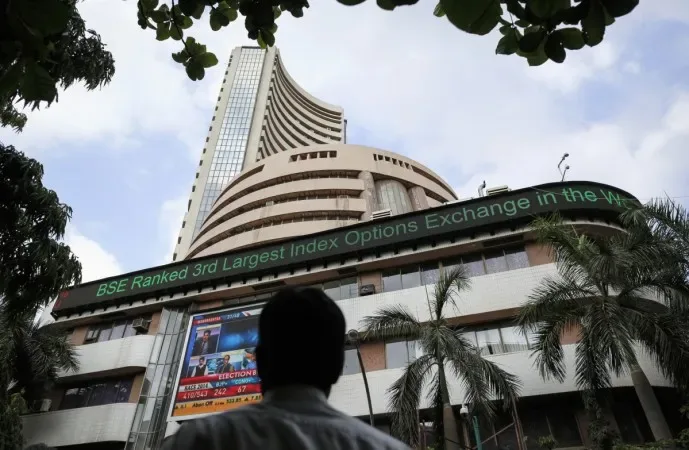
NSE SSE vs BSE SSE: How India's Two Social Stock Exchange Segments Work
People often ask which is the NGO stock exchange in India. There is no separate exchange; the Social Stock Exchange is a regulated segment hosted by both NSE and BSE under one SEBI framework. Here is what is the same on NSE SSE and BSE SSE, and what differs in practice.