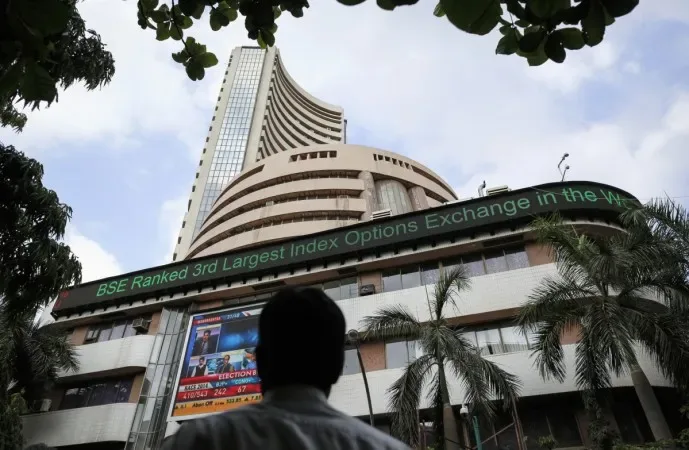
If you have searched for an "NGO stock exchange" in India, you may have expected a dedicated exchange just for non-profits. There is not one. The Social Stock Exchange (SSE) is a separate segment within India's existing stock exchanges, and both the National Stock Exchange (NSE SSE) and BSE (BSE SSE) host an SSE segment under the same SEBI framework. This post explains how the two segments relate, what is identical, what differs in practice, and how an NGO might choose.
At a glance, both are SSE segments of recognised exchanges operating under one SEBI framework, so the differences are operational rather than regulatory. There is no separate "NGO stock exchange".
Factor | NSE SSE | BSE SSE |
|---|---|---|
Regulator | Same SEBI SSE framework | Same SEBI SSE framework |
Eligible entities | NPOs and eligible social enterprises | NPOs and eligible social enterprises |
Main difference | Operational: process, visibility, documentation handling | Operational: process, visibility, documentation handling |
Best action | Check current exchange requirements before applying | Check current exchange requirements before applying |
The decision that actually matters: NGOs often agonise over NSE versus BSE, when the choice between the two is largely operational. What really moves the needle is whether your documentation and reporting are at SSE standard in the first place. Settle that, and which exchange you pick becomes something close to a footnote.
Is the Social Stock Exchange a separate exchange?
No. The SSE is a regulated segment that sits inside an existing recognised stock exchange, not a standalone institution. SEBI introduced the SSE framework so that eligible Not-for-Profit Organisations (NPOs) and For-Profit Social Enterprises can register and raise funds through a regulated, transparent channel. In India this segment is offered by both NSE and BSE, which is why you will see the labels NSE SSE and BSE SSE. Both received SEBI clearance to operate an SSE segment and have been live since 2023.
The key point: NSE SSE and BSE SSE are two platforms delivering the same SEBI-defined regime, not two different sets of rules.
What is the same on NSE SSE and BSE SSE?
Because both segments operate under one SEBI framework (principally the SEBI ICDR Regulations and the SEBI LODR Regulations, 2015), the substance is common to both:
Eligibility conditions: the entity must be an Indian NPO (charitable trust, society, or Section 8 company) meeting SEBI's eligibility criteria, including the social-intent threshold. An NPO that is majority-funded or controlled by a corporate is not permitted to register.
The fundraising instrument: NPOs raise grant funding by issuing Zero Coupon Zero Principal (ZCZP) instruments. ZCZP pays no interest and returns no principal, so subscribers are effectively donating towards a defined project. This is the same instrument on either platform.
Disclosures and ongoing compliance: registered and listed NPOs must make the disclosures required under the SEBI LODR Regulations, including periodic reporting.
Social audit or social impact assessment: the social-outcome assessment process required by the SEBI framework applies regardless of which exchange you choose.
Prerequisites: registration on the NGO Darpan portal is required, and only Indian entities can register.
So what actually differs between the two?
Since the regulatory substance is shared, the differences are practical rather than legal:
The platform you apply on: you register and submit your application through the chosen exchange's SSE platform and forms (the NSE SSE portal or the BSE SSE platform). Each exchange runs its own onboarding and listing operations.
Where your NGO is listed publicly: each exchange maintains its own public list of registered NPOs and of NPOs that have raised funds on its segment. Your organisation appears on the list of the exchange you registered with.
Operational details: documentation formats, support contacts, and any applicable charges are set by each exchange. These are operational specifics, so confirm the current details on the official NSE SSE and BSE SSE pages rather than assuming they match.
How does an NGO register or list on either?
At a high level the path is similar on both NSE SSE and BSE SSE:
Confirm eligibility against SEBI's criteria, including the entity type, operating history, and the social-intent threshold.
Complete prerequisites such as NGO Darpan registration and ensure statutory registrations are in order.
Apply to register on your chosen exchange's SSE segment, providing the disclosures the framework requires.
Once registered, prepare a fund-raising document to issue ZCZP instruments and raise funds for a defined project.
Meet ongoing reporting, disclosure, and social-assessment obligations after registration and any fundraise.
For a fuller walkthrough of the process, see our SSE registration guide, and for the underlying rules see our explainer on SEBI guidelines for the SSE.
How should an NGO choose between NSE SSE and BSE SSE?
Because the eligibility rules, the ZCZP instrument, the disclosures, and the social audit are common to both, the choice is mainly practical. Points an NGO may weigh include:
Existing relationships: any prior familiarity your organisation, board, or advisers have with one exchange's processes.
Onboarding experience: each exchange's current documentation, support, and timelines, which you can check on its official SSE pages.
Any applicable charges: confirm directly with each exchange, as these are operational details set by the exchange rather than the SEBI framework.
Whichever you choose, the regulatory outcome is the same: a registration on a SEBI-regulated SSE segment, with the same instrument and the same compliance obligations. The decision does not change what you must do; it changes which platform you do it on.
Sources
This is a general explainer of how the NSE and BSE Social Stock Exchange segments work under the SEBI framework, and is not legal or financial advice. Operational details and any charges differ by exchange and change over time, so confirm the current position with SEBI and the official NSE SSE and BSE SSE pages, or with a qualified adviser, before acting.